In the ever-evolving world of small business, navigating the intricacies of insurance can seem daunting. But fear not! Unlocking the secrets of small business insurance can not only protect your venture but also empower it to flourish in today’s competitive market. From understanding the types of coverage to mastering cost-saving strategies, this guide aims to demystify the world of small business insurance.
Imagine a future where your business is not just surviving but thriving, shielded from unforeseen risks by the perfect insurance plan. With a creative approach and persuasive insights, we’ll guide you through the labyrinth of policies, providers, and premiums, leading you to make informed decisions that align with your business goals. Let’s embark on this journey to safeguard your dreams and ensure lasting success.
Types of Small Business Insurance
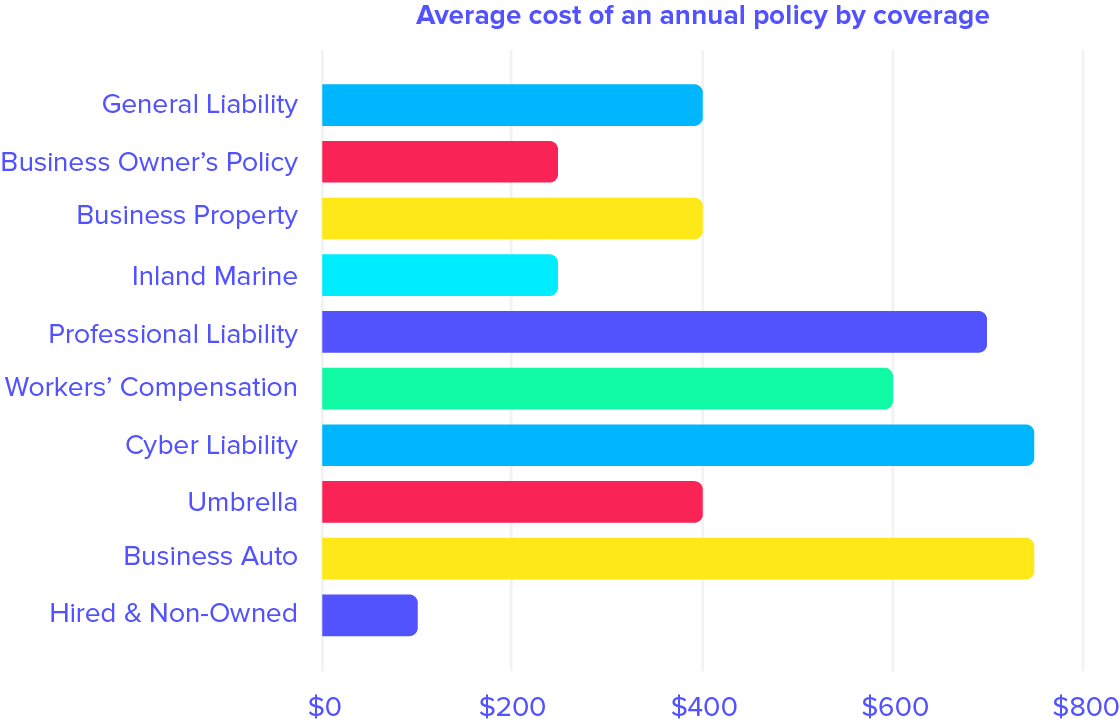
Understanding the various types of insurance policies available is essential for protecting a small business from unforeseen circumstances. Each type of insurance caters to specific risks and provides unique coverage that can safeguard your business assets, employees, and reputation.
From liability insurance to property coverage, small businesses have a wide range of policies to choose from. Selecting the right insurance depends on the industry you operate in, the size of your business, and the specific risks you face. Let’s explore the essential types of insurance and how they fit different business models.
Key Insurance Types for Businesses
Many small businesses need a combination of insurance types to ensure comprehensive protection. Here are some important policies you might consider:
| Insurance Type | Coverage Details | Cost Range | Common Industries |
|---|---|---|---|
| General Liability Insurance | Covers bodily injury, property damage, and personal injury claims. | $400-$1,000 annually | Retail, Hospitality, Construction |
| Professional Liability Insurance | Protects against claims of negligence or mistakes in professional services. | $600-$2,000 annually | Consulting, Legal, Healthcare |
| Commercial Property Insurance | Offers protection for your business’s physical assets like buildings and equipment. | $500-$3,000 annually | Manufacturing, Real Estate, Retail |
| Workers’ Compensation Insurance | Covers medical expenses and lost wages for employees who are injured on the job. | $2,000-$5,000 annually | Construction, Manufacturing, Agriculture |
Industry-Specific Insurance Needs
The insurance needs of a business can vary significantly depending on the industry and size of the business. For instance, a tech startup may prioritize cyber liability insurance to guard against data breaches, while a construction company might invest heavily in workers’ compensation coverage to protect its workforce.
“Businesses must tailor their insurance portfolio to match their unique risk profile and operational needs.”
By doing so, they ensure not only compliance but also create a safety net that can prevent financial loss in case of unexpected events.
Factors Influencing Insurance Costs
Navigating the world of small business insurance can be a daunting task, especially when it comes to understanding what influences the cost. Dive into the crucial factors that could be affecting your premiums and learn how to manage them effectively.
Insurance costs are not set in stone. They are determined by a variety of factors that can be tailored specifically to the nature of your business. It’s essential to understand these elements to potentially reduce your costs and protect your business wisely.
Location Matters
The geographical location of your business can have a significant impact on your insurance premiums. The environment in which you operate plays a crucial role in assessing risk—from crime rates to weather patterns. If your business is situated in an area prone to natural disasters, insurers will likely hike up your premiums to mitigate potential risks. Conversely, a business located in a safer, low-risk area could enjoy lower rates.
Business Size and Revenue Impact
When it comes to the size and revenue of your business, the impact on insurance costs can be quite substantial. Larger businesses with more employees and a higher revenue stream often face higher insurance premiums. This is due to increased potential liability and higher asset values. However, smaller businesses might benefit from more tailored, cost-effective solutions. See the comparison below:
| Factor | Effect on Insurance Costs |
|---|---|
| Number of Employees | More employees generally mean higher premiums due to increased risk. |
| Annual Revenue | Higher revenue can lead to higher premiums as there’s more at stake. |
Cost-Saving Tips for Small Business Insurance
Managing small business insurance costs doesn’t have to be overwhelming. With strategic insights, you can make it more manageable. Here are some tips to help you save on your insurance:
- Regularly review and update your policy to ensure you’re not over-insured.
- Bundle different types of insurance for potential discounts.
- Enhance security measures to reduce risk and potentially lower premiums.
- Consider raising your deductibles if affordable, to lower monthly costs.
Taking the time to understand these factors can not only save you money but also empower you to make more informed decisions for your business’s future.
How to Compare Insurance Providers
Unlocking the right insurance provider can be a game-changer for your small business. It’s not just about getting coverage; it’s about choosing a partner that offers reliable protection tailored to your unique needs.
By following a careful and systematic approach, you can ensure that you are not just purchasing a policy, but investing in peace of mind.
Step-by-Step Guide to Evaluate Insurance Providers
Dive into the world of insurance providers with a clear plan. Here is a step-by-step guide to help you navigate the sea of options:
- Identify Your Needs: Before you begin comparing, clearly artikel what your business requires in terms of coverage.
- Research Thoroughly: Delve into the available providers and list those that specialize in small business insurance.
- Scrutinize Coverage Options: Compare the types and levels of coverage each provider offers.
- Inquire About Customization: Check if policies can be tailored to your specific business risks.
- Evaluate Financial Stability: Investigate the financial health of the provider to ensure they can handle claims.
Checklist for Coverage, Reputation, and Customer Service
When examining potential providers, keep an eye out for these critical aspects:
- Comprehensive coverage options that match your business size and industry.
- A strong reputation in the market and positive reviews from other small business owners.
- Responsive and helpful customer service that can provide support when you need it most.
- Transparent claims process and a history of fair claims settlements.
- Competitive pricing without sacrificing on essential coverage.
Understanding Insurance Quotes and Policy Documents
Interpreting insurance quotes and policy documents can be daunting but is crucial for making an informed decision:
Start by reviewing the premium costs, deductibles, and any additional fees. Pay close attention to the terms and conditions artikeld in the policy documents, as these highlight what is and isn’t covered.
Remember, the devil is in the details. Thoroughly reading through each document can save you from unexpected surprises later on.
Comparison of Features Across Top Insurance Providers
To simplify your decision-making process, here’s a table highlighting key features of top insurance providers:
| Insurance Provider | Coverage Options | Financial Rating | Customer Service |
|---|---|---|---|
| Provider A | General Liability, Property, Workers’ Comp | A+ | 24/7 Support |
| Provider B | Professional Liability, Cyber Insurance | A | Dedicated Account Managers |
| Provider C | Business Income, Equipment Breakdown | A- | Online Chat and Email Support |
Understanding Policy Terms and Conditions
Deciphering policy terms and conditions can feel like navigating a maze. Yet, grasping these details can safeguard your business from potential pitfalls.
Insurance policies often come with complex terminologies that are easy to overlook but crucial to understand. Let’s dive into the nuances that could make all the difference for your small business.
The Intricacies of Commonly Misunderstood Terms
Terms like “aggregate limit” or “duty to defend” might sound like legal jargon, but they hold significant weight in insurance policy discussions. Aggregate limit refers to the maximum amount an insurer will pay during a policy period, while duty to defend indicates the insurer’s obligation to defend the insured in lawsuits.
Understanding these terms can prevent surprises when filing a claim, ensuring you know exactly what your policy covers and, more importantly, what it doesn’t.
The Importance of Reviewing Exclusions and Limitations
Every insurance policy comes with a list of exclusions and limitations. These are situations or items that are not covered under your policy. It’s crucial to thoroughly review these to avoid unexpected out-of-pocket expenses.
For example, a policy may exclude coverage for flood damage or limit the amount payable for certain losses. Knowing these details lets you plan additional protection or consider a different policy that better suits your needs.
Exploring Policy Endorsements and Riders
Endorsements and riders are provisions added to an insurance policy to provide additional benefits or modify coverage terms. Consider adding a business interruption endorsement to cover lost income if your operations are halted due to an insured event.
Similarly, a cyber liability rider can be essential in today’s digital age, offering protection against data breaches and cyber threats.
Essential Questions to Ask Your Insurance Agent:
- What exclusions and limitations should I be aware of?
- How does the aggregate limit affect my coverage?
- Can you explain any endorsements that might be beneficial for my business?
- Are there any additional riders I should consider?
Real-Life Case Studies and Scenarios
Navigating the labyrinth of small business insurance can often feel overwhelming. To shed light on the tangible impact of these decisions, we delve into real-world examples that reveal the critical role of insurance in safeguarding business continuity.
Through these case studies, you’ll uncover the stark contrasts between businesses that proactively secured the right policies and those that faced the costly consequences of inadequate coverage. Let’s dive into these narratives to extract valuable lessons and best practices.
The Bakery That Weathered a Storm
Imagine a quaint, family-run bakery nestled in a bustling neighborhood. When a severe storm hit, causing significant water damage, the bakery’s operations came to a screeching halt. Fortunately, the owner had invested in comprehensive business interruption insurance. This policy covered the lost income during the repair period, allowing the family to pay employees and cover other essential expenses.
Without this coverage, the bakery would have faced financial ruin. The lesson here is clear:
Invest in the right coverage before disaster strikes.
It’s not just about safeguarding physical assets, but ensuring business continuity in the face of unexpected disruptions.
Tech Startup’s Liability Lessons
A tech startup found itself in hot water when a software glitch led to a client’s massive data loss. The client sued, demanding compensation. Luckily, the startup had secured professional liability insurance. This policy covered legal fees and settlements, allowing the business to survive the storm and maintain its reputation.
In contrast, a competitor facing a similar lawsuit without coverage was forced to close its doors. This scenario underscores the importance of evaluating potential risks and securing insurance that addresses industry-specific vulnerabilities.
Cost Implications of Claims: A Comparative Table
Let’s explore the financial ramifications of being insured versus uninsured through a comparison of typical claim scenarios:
| Scenario | With Insurance | Without Insurance |
|---|---|---|
| Property Damage | $500 deductible | $25,000 out-of-pocket |
| Liability Claim | $1,000 deductible | $100,000 legal fees and settlement |
| Business Interruption | Covered lost income | $50,000 revenue loss |
The cost implications are stark. Not having insurance can lead to devastating financial burdens that threaten the viability of a small business.
Lessons Learned from Real Scenarios
From these scenarios, several best practices emerge:
- Always assess potential risks specific to your industry.
- Invest in coverage that not only protects assets, but ensures business continuity.
- Regularly review and update policies to match business growth and changes.
In the world of business, the unexpected is always just around the corner. The key takeaway:
A small investment in the right insurance can mean the difference between survival and closure.
Armed with real-life insights, you can make informed decisions to protect your business legacy.
Recent Trends in Small Business Insurance
In the ever-evolving world of small business insurance, staying abreast of current trends is crucial. These trends not only shape the offerings available but also influence how businesses protect themselves against unforeseen risks.
Recent developments have highlighted the significant role that technology and economic factors play in the insurance landscape. From data analytics to economic fluctuations, these elements are reshaping the way small businesses approach their insurance needs.
Impact of Technology and Data Analytics
Technology is revolutionizing the small business insurance sector by enabling more tailored and efficient insurance solutions. With the power of data analytics, insurers can now offer personalized policies based on the specific needs and risk profiles of businesses. This means small businesses can benefit from greater clarity and enhanced coverage at potentially lower costs.
Moreover, the advent of digital platforms allows for seamless policy management, making it easier for business owners to track their coverage and make necessary adjustments. As a result, insurance providers are increasingly investing in AI-driven tools that aid in risk assessment and fraud detection, further refining their offerings.
Economic Factors Shaping Insurance Costs
The economic landscape plays a pivotal role in determining insurance costs for small businesses. Factors such as inflation, interest rates, and global economic conditions can lead to fluctuations in premium rates. As businesses navigate these turbulent times, insurers are adapting by offering more flexible payment plans and innovative coverage options that spread risk more effectively.
Understanding how these economic factors influence your premiums can empower you to make more informed decisions about your insurance needs.
Comparison: Traditional vs. Modern Insurance Solutions
While traditional insurance solutions have been the backbone of risk management for many years, modern approaches offer new avenues for enhanced protection and efficiency. The table below illustrates the key differences:
| Aspect | Traditional Insurance | Modern Insurance |
|---|---|---|
| Policy Customization | Standard packages | Highly personalized |
| Technology Integration | Minimal | High |
| Claims Process | Time-consuming | Fast and digital |
| Customer Engagement | Limited interaction | Continuous and proactive |
| Cost Efficiency | Fixed rates | Dynamic pricing models |
Last Word
As you venture into the realm of small business insurance, remember that the right policy is more than just a safety net—it’s an investment in your business’s future. Harness the power of informed choices and cost-effective strategies to build a robust foundation for growth. Let this guide be your compass, steering you towards security and peace of mind, so you can focus on what truly matters: growing your business and achieving your dreams.
