Navigating the Complex Journey of Selling Your Home
Selling a house is often one of the most significant financial transactions a person will undertake. It is a process that blends emotional attachment with cold, hard business logic. Whether you are upgrading to a larger space, downsizing for retirement, or relocating for a new career opportunity, the goal remains the same: to sell your property quickly and for the highest possible price. However, achieving a ‘sold’ sign on the front lawn requires much more than just a listing on a website. It demands a strategic approach, meticulous preparation, and an understanding of the current real estate climate.
In this comprehensive guide, we will explore the essential steps and sophisticated strategies needed to navigate the modern real estate market. From the initial preparations to the final handshake at the closing table, this deep dive will provide you with the insights necessary to turn your property into a highly sought-after asset.


Phase 1: Preparation—Creating the Right First Impression
Before you even think about inviting a photographer over, your home must be ‘market-ready.’ This phase is arguably the most labor-intensive but offers the highest return on investment. Buyers today are savvy; they aren’t just looking for a structure; they are looking for a lifestyle. If your home feels cluttered or neglected, potential buyers will mentally subtract the cost of repairs and cleaning from your asking price.
Curb Appeal and the ‘Five-Second’ Rule
Experts often talk about the ‘five-second rule’ in real estate. This is the time it takes for a buyer to form a first impression as they pull up to the curb. To win them over, start with the exterior. Ensure the lawn is manicured, the bushes are trimmed, and the front door has a fresh coat of paint. Small details, like updated house numbers and clean windows, signal to a buyer that the home has been well-maintained.
The Art of Decluttering and Depersonalizing
Inside, the goal is to create a ‘blank canvas.’ You want buyers to imagine their own furniture and family photos on the walls, not yours. This means removing excess furniture to make rooms feel larger, clearing kitchen counters of small appliances, and thinning out closets. If a closet looks packed, a buyer will assume the house lacks storage space. Neutralizing the color palette is also crucial. While you might love a bold purple accent wall, a neutral ‘greige’ or soft white appeals to the widest possible demographic.
Phase 2: Strategic Pricing—The Science Behind the Numbers
One of the most common mistakes sellers make is pricing their home based on emotion or what they ‘need’ to get out of it for their next purchase. The market, unfortunately, does not care about your mortgage balance or your sentimental attachment. Pricing is a strategic tool that can either drive a bidding war or leave your listing to languish for months.
Comparative Market Analysis (CMA)
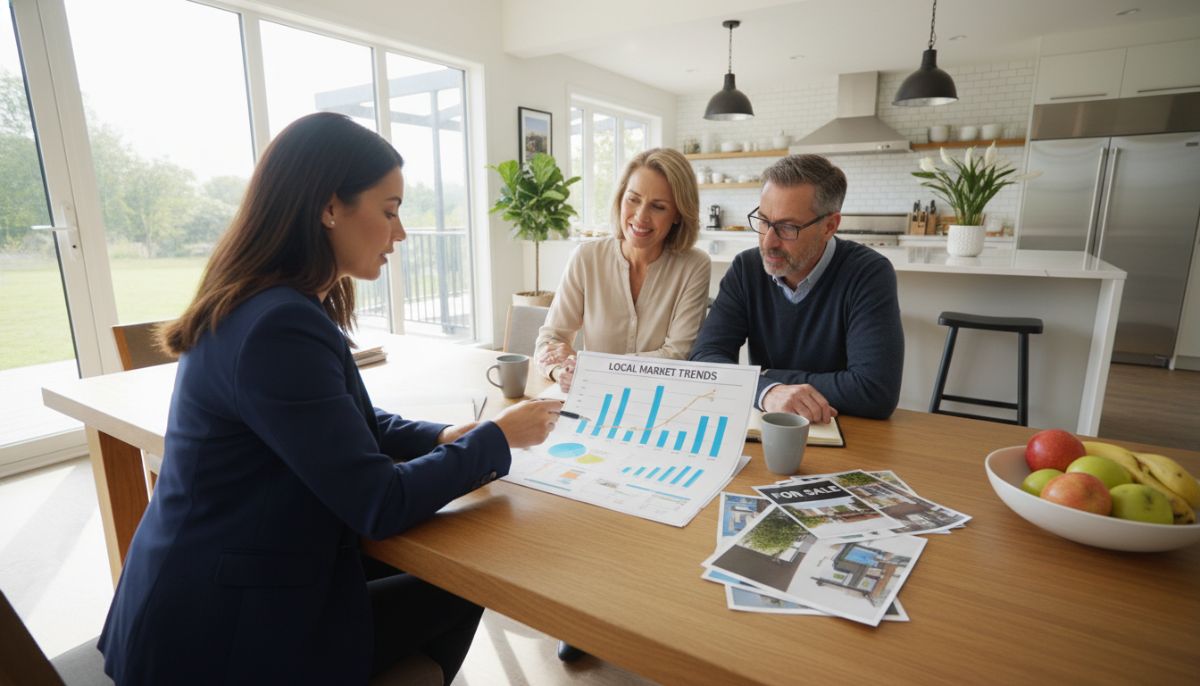
To price accurately, you must look at ‘comps’—recently sold properties in your immediate area that are similar in size, condition, and age. Active listings are your competition, but sold listings are the reality. A home priced slightly below market value often generates more buzz, leading to multiple offers that eventually drive the price above the original ask. Conversely, overpricing can be a ‘kiss of death’; the longer a home stays on the market, the more buyers wonder what is ‘wrong’ with it.
Phase 3: High-Impact Marketing in a Digital World
In the digital age, your ‘first showing’ happens on a smartphone screen. Statistics show that over 90% of buyers start their home search online. If your digital presence is weak, you are losing potential buyers before they even set foot on your property.
Professional Photography and Virtual Tours
Gone are the days when grainy cell phone photos were acceptable. High-definition, wide-angle photography is now the industry standard. Furthermore, 3D virtual tours and drone footage (especially for properties with significant land or unique views) provide an immersive experience that keeps buyers engaged with your listing longer. A well-curated digital gallery should highlight the flow of the home and its most unique features, such as a renovated kitchen or a spa-like master bath.
Leveraging Social Media and Syndication
While the Multiple Listing Service (MLS) is the backbone of real estate, social media platforms like Instagram and Facebook allow for targeted advertising. By creating ‘teaser’ posts or ‘behind-the-scenes’ videos of the home’s best features, you can reach local buyers who might not be actively scrolling through Zillow every day but are open to a move if the right opportunity arises.
Phase 4: Negotiations and the Psychology of the Deal
Once the offers start coming in, the real work begins. It is easy to get caught up in the ‘top-line’ number, but a high offer isn’t always the best offer. You must evaluate the terms and contingencies associated with each bid.
Understanding Contingencies
Common contingencies include home inspections, appraisals, and financing. A cash offer with no contingencies might be more attractive than a higher-priced offer that relies on the buyer selling their own home first. Your strategy during this phase should be to minimize risk. For instance, some sellers choose to have a pre-listing inspection done, allowing them to fix issues beforehand and present a ‘clean’ report to potential buyers, thereby reducing the chance of a deal falling through later.
The Power of the Counter-Offer
Negotiation is a dance. If an offer is lower than expected, don’t take it personally. Use a counter-offer to find a middle ground. You can negotiate on closing dates, repairs, or even which appliances stay with the house. Maintaining a professional, calm demeanor during this phase is essential for keeping the transaction on track.
Phase 5: The Closing Process—Crossing the Finish Line
After an offer is accepted, the ‘escrow’ period begins. This usually lasts 30 to 45 days. During this time, the buyer’s lender will conduct an appraisal, and the title company will perform a search to ensure the property can be legally transferred.
Final Walkthrough and Handover
In the days leading up to the closing, you will need to finalize your move and ensure the home is ‘broom clean.’ The buyer will conduct a final walkthrough to verify that the condition of the home hasn’t changed since the contract was signed and that any agreed-upon repairs have been completed. Once the paperwork is signed at the title office or with an attorney, and the funds are disbursed, the keys are handed over, and the sale is officially complete.
Conclusion: Preparation Meets Opportunity
Selling a house is a marathon, not a sprint. It requires a blend of aesthetic preparation, analytical pricing, and aggressive marketing. While the process can be stressful, following these key steps ensures that you are not just ‘listing’ your home, but truly ‘selling’ it. By detaching emotionally and treating the sale as a strategic business project, you position yourself for a successful, profitable, and smooth transition to your next chapter. In the end, a successful sale is the result of where careful preparation meets the right market opportunity.
