Buy My House: Essential Tips For Selling Your Property Fast and Profitably

Selling a home is often cited as one of life’s most stressful events, ranking right up there with starting a new career or navigating major life transitions. However, when you find yourself saying, “I need someone to buy my house,” it’s usually because you’re ready for the next chapter. Whether you are upgrading to a larger space, downsizing for retirement, or relocating for work, the goal remains the same: selling your property quickly and for the best possible price.
In today’s competitive real estate market, simply putting a ‘For Sale’ sign in the yard is rarely enough. To truly capture the attention of serious buyers, you need a strategic approach that combines aesthetics, psychology, and data-driven pricing. This guide provides a deep dive into the essential tips for selling your property, ensuring you transition from ‘listed’ to ‘sold’ with ease.
The Psychology of the Sale: Seeing Through the Buyer’s Eyes
Before you even list your property, you must undergo a mental shift. You are no longer looking at your ‘home’—the place filled with memories and personal touches—but at a ‘product’ on the market. Buyers are not looking for your history; they are looking for their future. This perspective is crucial because it informs every decision you make, from the paint color in the hallway to the way you arrange the furniture.
Successful sellers understand that buying a home is an emotional experience. Most buyers decide within the first few minutes of entering a house whether it feels ‘right.’ Your job is to create an environment where a stranger can walk through the door and immediately envision their own life unfolding within those walls.
Elevating Your Curb Appeal: The Five-Second Rule
First impressions are everything. In real estate, this is known as curb appeal. Many potential buyers will drive past a property before they ever book a viewing. If the exterior looks neglected, they may never even step inside. You have roughly five seconds to make a positive impact.
Start with the basics: ensure the lawn is mowed, the hedges are trimmed, and the driveway is power-washed. A fresh coat of paint on the front door can work wonders, especially in a bold but welcoming color like navy blue or sage green. Consider upgrading your house numbers and mailbox to something more modern. Small investments in exterior lighting and potted plants can significantly enhance the perceived value of your home before the buyer even turns the key.
Staging: Selling a Lifestyle, Not Just Four Walls
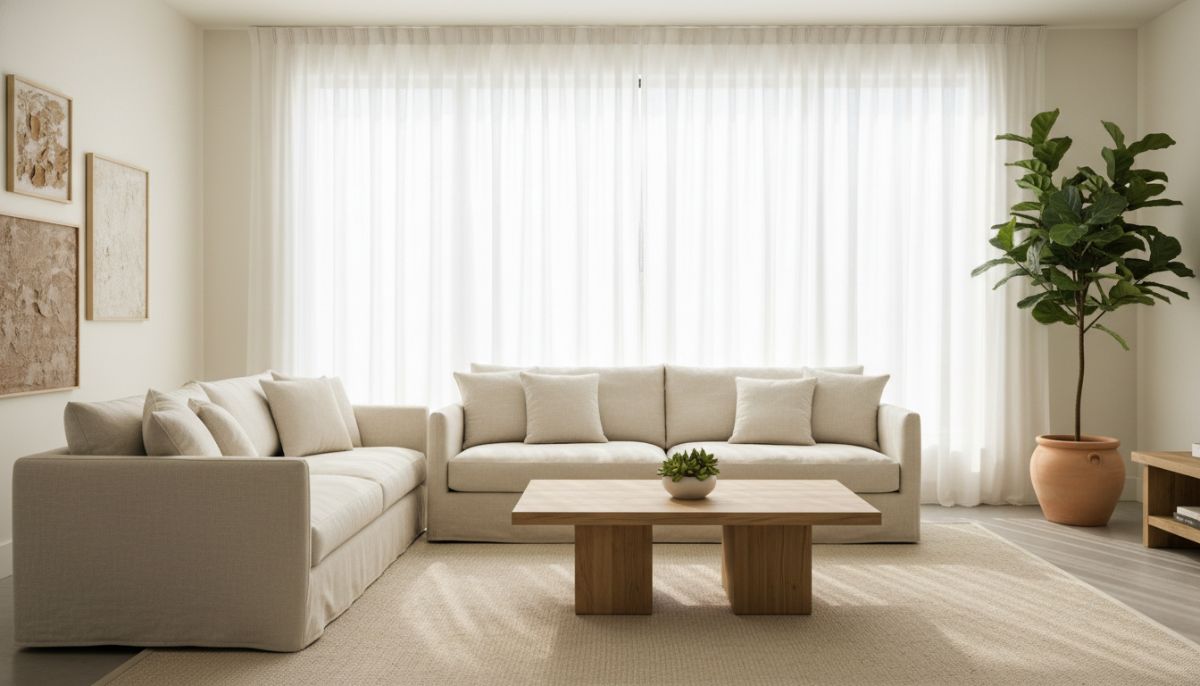
Staging is the art of preparing a home for sale by highlighting its best features while minimizing its flaws. The primary goal of staging is ‘depersonalization.’ This means removing family photos, eccentric artwork, and personal collections. You want the space to feel clean, neutral, and expansive.
The Power of Decluttering
Clutter is the enemy of a successful sale. It makes rooms look smaller and suggests a lack of storage. Clear off kitchen counters, organize your closets (buyers will look inside them), and remove excess furniture that disrupts the flow of the room. A minimalist approach allows the architectural features of the house to shine.
Neutralizing the Palette
While you might love your vibrant purple bedroom, it could be a deal-breaker for a buyer who can’t look past the color. Neutral tones—such as warm grays, soft whites, and beiges—are universally appealing. They reflect light better and provide a blank canvas for the buyer’s imagination.
Smart Repairs and Renovations
One of the most common questions sellers ask is, “Should I renovate before I sell?” The answer depends on the return on investment (ROI). You don’t necessarily need a full kitchen remodel to attract buyers. Instead, focus on ‘high-impact’ minor repairs.
Fix leaky faucets, replace outdated light fixtures, and ensure all doors and windows open smoothly. If your carpet is stained or worn, replacing it is a worthwhile expense. In the kitchen, simply swapping out old cabinet hardware for modern matte black or brushed gold handles can provide an instant facelift at a fraction of the cost of new cabinetry. The goal is to eliminate ‘red flags’ that might make a buyer worry about the home’s maintenance history.
Mastering the Art of Digital First Impressions
In the digital age, your first ‘showing’ happens on a smartphone screen. Most buyers browse listings on sites like Zillow or Realtor.com before they decide to visit in person. Therefore, high-quality photography is non-negotiable.
Professional real estate photographers know how to use wide-angle lenses and natural lighting to make your home look its best. In addition to photos, consider a 3D virtual tour or drone footage for larger properties. Listings with high-quality media receive significantly more clicks and inquiries than those with grainy, dark photos taken on a phone. Your online presence is your most powerful marketing tool.
Pricing It Right: The Goldilocks Strategy
Perhaps the most critical factor in saying “buy my house” and actually getting an offer is the price. Pricing your home too high can lead to it sitting on the market for months, eventually becoming ‘stale.’ Conversely, pricing it too low might leave money on the table.
To find the ‘just right’ price, conduct a Comparative Market Analysis (CMA). Look at similar homes in your neighborhood that have sold in the last three to six months. Pay attention to their square footage, condition, and how long they were on the market. A competitive price creates urgency and can even trigger a bidding war, which ultimately drives the final sale price higher than expected.
Navigating Negotiations and Closing
Once the offers start rolling in, the real work begins. It’s important to look beyond the top-line number. Consider the buyer’s financing—are they pre-approved? Do they have a large down payment? Are there contingencies, such as the sale of their own home, that could delay the process?
Be prepared for the home inspection phase. Buyers will often use the inspection report to negotiate for repairs or credits. Having a calm, flexible mindset during these negotiations is key. Remember, the goal is to reach a win-win scenario where both parties feel satisfied as they move toward the closing table.
Final Thoughts
Selling a property is a marathon, not a sprint. By focusing on curb appeal, staging your interior, making smart repairs, and pricing strategically, you position your home as a top contender in the market. While the process requires effort and patience, the reward is a smooth transaction and the freedom to move forward into your next adventure. If you follow these essential tips, you won’t just be saying “buy my house”—you’ll be handing over the keys to a happy new owner.