Foreclosures Near Me: Your Comprehensive Guide to Understanding, Finding, and Evaluating Properties

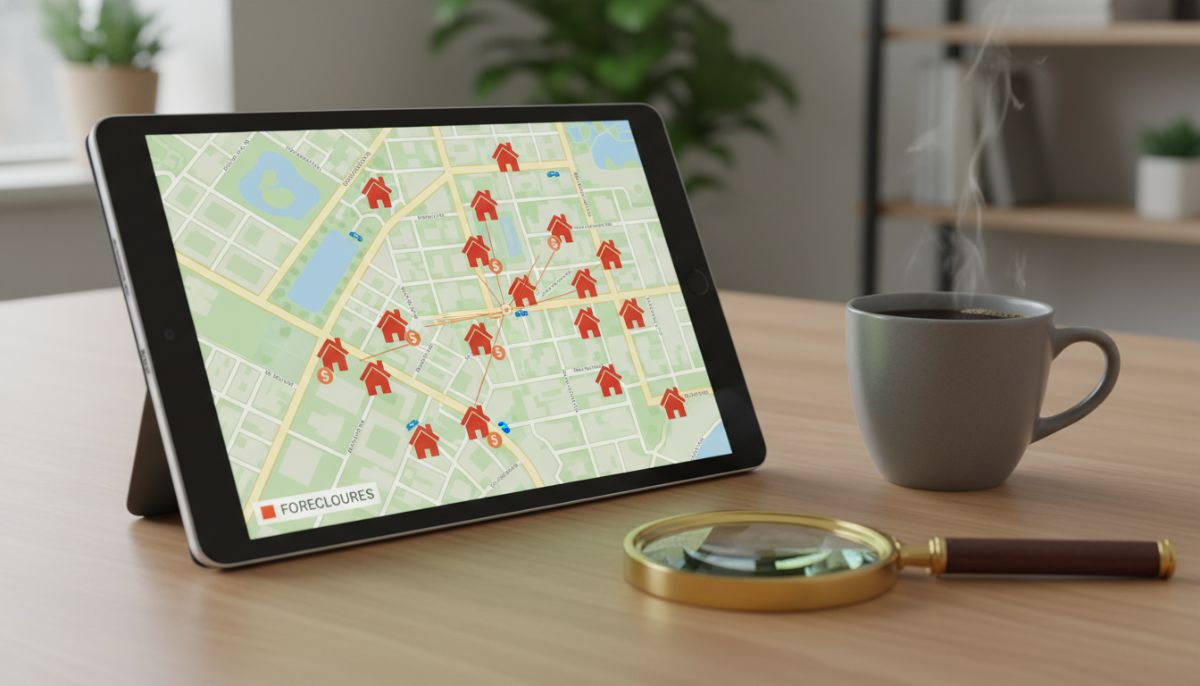
Searching for “foreclosures near me” is often the first step in a journey toward significant financial gain or securing a dream home at a fraction of its market value. However, the world of distressed real estate is as complex as it is rewarding. To the uninitiated, the term “foreclosure” might conjure images of abandoned homes and legal battles, but for the savvy investor or homebuyer, it represents an opportunity for equity building. This guide aims to demystify the foreclosure process, providing you with a roadmap to find, evaluate, and ultimately secure properties in your local market.
Understanding the Foreclosure Landscape






Before you start browsing listings, it is vital to understand what a foreclosure actually is. In its simplest form, foreclosure is a legal process in which a lender attempts to recover the balance of a loan from a borrower who has stopped making payments. The lender does this by forcing the sale of the asset used as collateral for the loan—the house.
There are three primary stages where a buyer can step in, and each carries a different level of risk and potential reward:
1. Pre-Foreclosure
This stage begins when the homeowner has missed several payments and receives a formal Notice of Default. During this phase, the owner still has the legal right to sell the property. This is often where “Short Sales” occur—where the lender agrees to accept less than the remaining mortgage balance to avoid the cost of a full foreclosure. For buyers, this stage offers the chance to inspect the home thoroughly and negotiate directly with the owner.
2. The Foreclosure Auction
If the owner cannot settle the debt, the property goes to a public auction. These are usually held on the courthouse steps or online. Auctions are high-stakes environments. Properties are often sold “as-is,” frequently without the chance for an internal inspection, and usually require payment in cash or a cashier’s check immediately. While you can find the deepest discounts here, the risks are substantial.
3. Real Estate Owned (REO)
If a property doesn’t sell at auction, the lender (usually a bank) takes ownership. These are known as REO properties. Buying an REO is more similar to a traditional home purchase. The bank will often clear the title and may even perform basic repairs. While you might pay slightly more than you would at an auction, the process is much safer and more predictable.
How to Find Foreclosures Near You
In the digital age, finding foreclosures is easier than ever, but finding the right deal requires a multi-faceted approach. Here are the most effective strategies for locating properties in your area:
- Online Real Estate Portals: Websites like Zillow, Foreclosure.com, and Realtor.com have dedicated filters for foreclosures and pre-foreclosures. These are great for general browsing but can sometimes be outdated.
- County Records: Visit your local County Clerk’s office or their official website. Look for “Notice of Sale” or “Lis Pendens” filings. This is the most direct way to find properties that are just entering the foreclosure pipeline.
- Bank Websites: Major financial institutions like Wells Fargo, Chase, and Bank of America maintain their own REO departments and listing sites. Check these regularly for new inventory.
- Specialized Real Estate Agents: Some agents specialize specifically in distressed properties. They often have “pocket listings” or early knowledge of properties that are about to hit the market.
- FHA 203(k) Loans: These allow you to bundle the purchase price and the cost of renovations into a single mortgage.
- Hard Money Loans: Often used by flippers, these are short-term, high-interest loans based on the property’s value rather than your credit score.
- Cash: In the foreclosure world, cash is king. It allows for quick closings and is often required at auctions.
The Evaluation Process: Due Diligence is Key
The phrase “buyer beware” has never been more applicable than in the foreclosure market. Evaluating a property requires a cold, analytical eye. You aren’t just buying a house; you are buying its history, its defects, and its legal baggage.
Assessing Physical Condition
Foreclosed homes are frequently neglected. If a homeowner couldn’t pay the mortgage, they likely couldn’t pay for roof repairs or HVAC maintenance either. If you are buying a pre-foreclosure or an REO, always hire a professional inspector. If you are buying at an auction where inspection isn’t possible, you must budget for a “worst-case scenario” repair cost. Look for structural issues, mold, and outdated electrical systems, as these are the most expensive to fix.
The Title Search: Don’t Skip This
One of the biggest mistakes a buyer can make is purchasing a property with existing liens. In many cases, the primary mortgage isn’t the only debt attached to the house. There could be secondary mortgages, unpaid property taxes, mechanics’ liens from contractors, or even IRS liens. A professional title search is non-negotiable. It ensures that when you take ownership, you aren’t also taking on someone else’s debt.
Market Analysis
Buying a foreclosure only makes sense if the price is significantly lower than the After-Repair Value (ARV). Compare the property to similar homes (comps) in the neighborhood that have sold recently in good condition. If the purchase price plus the cost of repairs equals more than 80% of the market value, the margin of safety might be too thin for an investor.
Financing and Closing the Deal
Financing a foreclosure can be tricky. Conventional lenders are often hesitant to provide mortgages for homes in poor condition. If the property is habitable, you might be able to use a traditional loan. However, if the home needs significant work, you may need to look into:
Common Pitfalls to Avoid
Even with the best intentions, things can go wrong. Be wary of the “emotional buy.” It’s easy to get caught up in an auction’s excitement and overbid. Always set a maximum price and stick to it religiously.
Furthermore, be prepared for the timeline. While auctions are fast, short sales and REO purchases can be notoriously slow. Banks are bureaucracies, and getting an offer approved can take months. Patience is not just a virtue in this market; it’s a requirement.
Conclusion
Finding “foreclosures near me” can be the gateway to wealth and homeownership, provided you approach it with a professional mindset and a commitment to due diligence. By understanding the different stages of foreclosure, leveraging multiple search tools, and conducting thorough evaluations, you can minimize your risk and maximize your potential return. Remember, the best deal isn’t just the one with the lowest price; it’s the one where you know exactly what you’re getting into. Happy hunting.