Introduction
Land ownership has long been viewed as a cornerstone of financial stability and creative freedom. Whether you are an aspiring homeowner looking to build a custom retreat, an entrepreneur seeking a strategic location for a business, or an investor searching for a tangible asset that appreciates over time, purchasing land is a move that requires careful deliberation. Unlike buying an existing house, purchasing raw or semi-improved land presents a unique set of challenges and opportunities. In this comprehensive guide, we will explore the various types of land available, the critical considerations to keep in mind, the nuances of financing, and the essential legal aspects that safeguard your investment.
Understanding the Diverse Types of Land for Sale






When searching for land, it is vital to recognize that not all parcels are created equal. The classification of a plot significantly dictates its utility and value. Typically, land is categorized into several primary types:
1. Residential Land
Residential land is designated for the construction of homes. This can range from small urban infill lots to expansive suburban parcels. Within this category, you may find ‘improved’ lots, which are already connected to utilities like water, sewage, and electricity, or ‘unimproved’ lots that require significant site prep work.
2. Commercial and Industrial Land
Commercial land is intended for businesses such as retail stores, office buildings, or warehouses. Industrial land is usually located away from residential areas and is used for manufacturing, distribution centers, or power plants. These parcels often require proximity to major highways or rail lines.
3. Agricultural and Ranch Land
For those interested in farming, livestock, or timber, agricultural land is the primary choice. These large tracts are often governed by specific tax laws and conservation easements. Investors frequently look at agricultural land for its long-term yield potential and potential for future rezoning.
4. Recreational and Raw Land
Recreational land is used for personal enjoyment, such as hunting, fishing, or camping. Raw land, in its purest form, has no utilities, no cleared paths, and no structures. While raw land is usually the least expensive to purchase, it often requires the most capital to develop.
Critical Considerations Before You Buy
Buying land is not as simple as placing a ‘Sold’ sign on a patch of dirt. The physical and regulatory characteristics of the land must align with your goals.
Location and Accessibility
In real estate, location remains king. However, for land, accessibility is a subset of location that is often overlooked. Does the property have legal ‘right of way’? Some land is ‘landlocked,’ meaning it has no direct access to a public road. Without an easement from a neighbor, such land can be practically useless.
Zoning and Land Use Restrictions
Zoning laws are the local government’s way of controlling how land is used. A beautiful piece of forest might be zoned as ‘exclusive farm use,’ preventing you from building a residential home. Always check with the local planning department to understand the zoning ordinances and any potential restrictive covenants placed by a homeowners’ association (HOA).
Topography and Soil Quality
The ‘lay of the land’ affects construction costs. Steep slopes might require expensive grading or specialized foundations. Furthermore, if the land is not connected to a municipal sewer system, you will need a ‘perc test’ (percolation test) to determine if the soil can support a septic system.
Navigating the Financing Maze
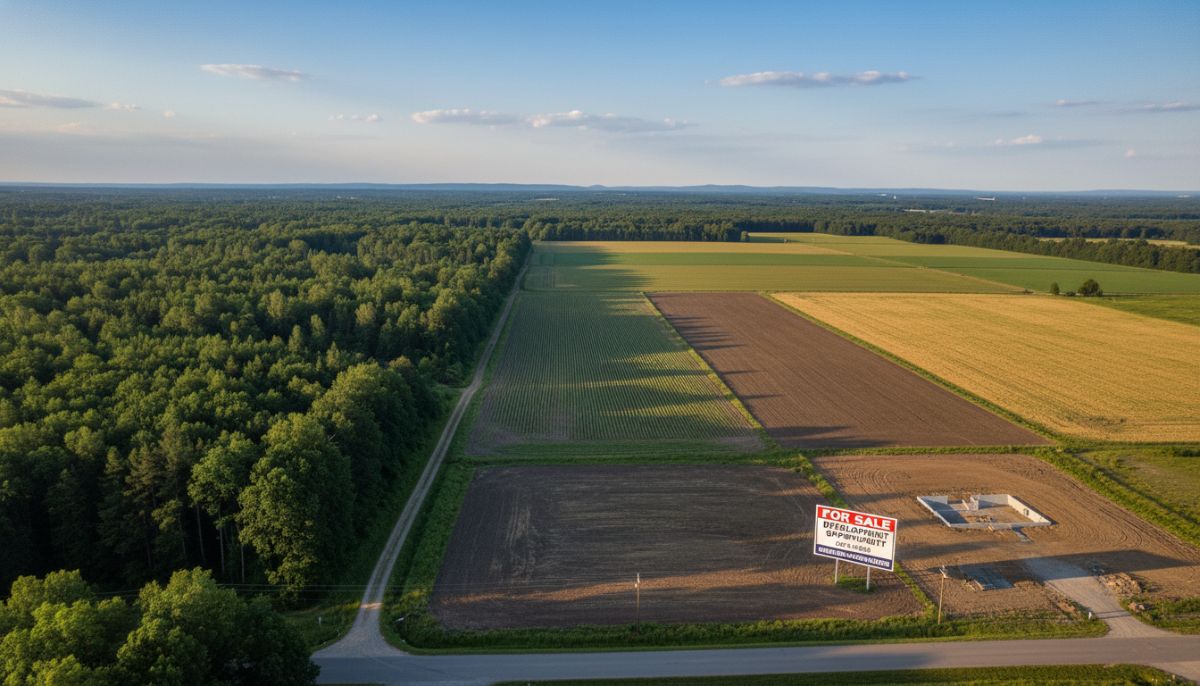
Financing land is significantly different from obtaining a standard residential mortgage. Lenders generally view land loans as higher risk because there is no immediate collateral in the form of a building.
Types of Land Loans
1. Raw Land Loans: These are the hardest to secure and often require a down payment of 35% to 50% with higher interest rates.
2. Unimproved Land Loans: This is land that might have some amenities but lacks major utilities. Rates are slightly better than raw land.
3. Improved Land Loans: If the land is ready for construction with all utilities in place, lenders are more willing to offer competitive rates and lower down payments.
Alternative Financing Options
If traditional banks are hesitant, many buyers turn to ‘Seller Financing,’ where the current owner acts as the bank, allowing the buyer to make monthly payments directly to them. This can be a flexible arrangement, but it requires a very clear legal contract to protect both parties.
The Legal Labyrinth: Due Diligence and Protection
Before any money changes hands, a thorough legal investigation is mandatory. This process, known as due diligence, ensures that the title you receive is clear and that there are no hidden liabilities.
Title Search and Insurance
A title search will reveal if there are any liens, unpaid taxes, or claims against the property. Title insurance is highly recommended as it protects you against any legal disputes regarding ownership that might arise after the purchase.
Surveys and Boundary Lines
Never rely on a fence line to tell you where a property ends. A professional land survey is the only way to confirm the exact boundaries. Encroachments—such as a neighbor’s shed being partially on your land—can lead to long-term legal headaches if not identified early.
Environmental Assessments
In some cases, especially with commercial or industrial land, an environmental site assessment (Phase I ESA) is necessary to ensure the ground isn’t contaminated from previous uses. Being responsible for a toxic cleanup can turn a bargain property into a financial nightmare.
Conclusion
Investing in land for sale is a journey that offers incredible rewards for those who are patient and thorough. By understanding the specific types of land, conducting rigorous due diligence on topography and zoning, securing the right financing, and ensuring all legal protections are in place, you can turn a simple plot of earth into a cornerstone of your future. Whether it’s for a dream home or a strategic investment portfolio, the right piece of land is out there—provided you know how to look for it.